Late in July 2026, a team of 24 Pinterest engineers published a dense, jargon-heavy post on Medium about a new ranking system called “Pinner Progression” – a Pinterest algorithm change 2026 marketing media hasn’t covered yet. No Sprout Social breakdown, no Dash Social explainer, nothing.
Which means most Shopify sellers on Pinterest have no idea it happened. Or if they’ve heard the words “algorithm update” float by, they’ve filed it under the usual low hum of platform anxiety: is my strategy about to stop working, and will I even know why?
Fair question. So I read the whole thing, twice, and I’m going to split this post into two clean lanes and keep them separate the entire way through: what Pinterest actually said, and what I think it means for you. Those are not the same thing, and I’m not going to let them blur together just because “Pinterest confirms X” makes a punchier sentence.
What Pinterest Actually Published (and Why This Pinterest Algorithm Change 2026 Is Different)
Pinterest Engineering published “Pinner Progression” in late July 2026, and it’s the first of two planned posts. That matters, so hold onto it.
The core move: Pinterest is shifting home feed ranking away from raw engagement (saves, clicks, closeups) and toward retention. The post states the problem plainly, in its own words: a person can save ten sourdough recipes today and still be gone next month. Lots of engagement, zero loyalty. Engagement isn’t retention, and Pinterest apparently decided that gap was big enough to rebuild around.
Here’s the part I want to flag clearly, because it’s easy to skim past: Part 1 contains no hard numbers. No percentage lift in weekly active users, no engagement delta, no retention figures. What Pinterest offers instead are qualitative claims: “meaningful engagement gains,” more diverse feeds, longer sessions. That’s it. The actual metrics are promised for Part 2, which had not published as of this writing, August 3, 2026.
I’m not saying that to knock Pinterest. Publishing the mechanism before the results is, if anything, more honest than most “we improved the algorithm!” marketing posts. I’m saying it because you’ll see this framed elsewhere (eventually) as “Pinterest’s algorithm change boosted engagement by X%,” and that number, whatever it ends up being, wasn’t in this post. Keep that straight.
The Core Idea – User Interest Clusters (UICs)
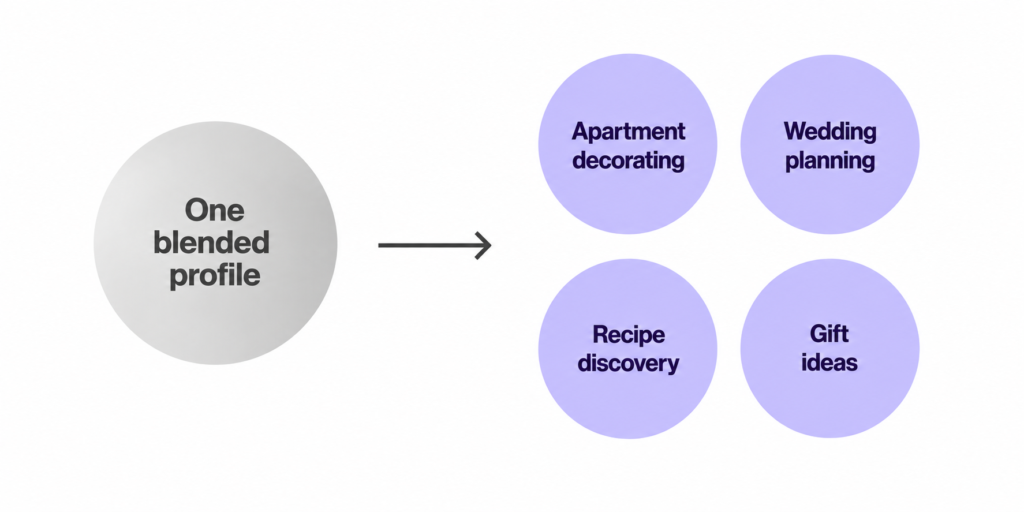
Here’s the plain-language version of the mechanism. Instead of building one blended personality profile per user, Pinterest now represents each person as several separate “clusters,” and each cluster is tied to something you’re actually doing in your life. Not “a topic you sometimes click on.” A project.
Think of it as Pinterest keeping a separate mental folder for each thing you’re working on, rather than dumping everything into one big folder labeled “you.” Apartment decorating goes in one folder. Wedding planning goes in another. They don’t get mashed together into a single fuzzy average of your taste.
Worth a quick credibility check here: this isn’t Pinterest’s first swing at this. Back in 2020, a system called PinnerSage did something structurally similar, representing users with multiple embeddings instead of one. What’s genuinely new in 2026 is treating these clusters as long-lived “use cases” tied to whether you stick around, not just what you’ll click next. I’ll name the technical term once and then leave it alone: the underlying model is called OmniSage, and it’s a graph-based representation system Pinterest built for search before repurposing it here. You don’t need to know how it works. You need to know it exists and that it’s the plumbing under this.
Ranking Now Depends on Where Your Interest Is in Its “Lifecycle”
Here’s the practical shape of it. Pinterest now ranks pins differently depending on whether your interest in a topic is brand new or well-established. Early on, when a cluster is nascent, clicks and exploration signals matter more, because the system is still figuring out what you actually want. Once an interest is mature, saves and deeper engagement carry more weight, because the system already trusts it knows the shape of your taste there.
There’s also a diversity mechanic sitting underneath this: Pinterest proportionally limits how much any single cluster can dominate your feed, and samples across your different clusters rather than flooding you with one. You don’t need the retrieval-budget math. Just the practical shape: no single obsession gets to eat your whole feed anymore, even if you engage with it constantly.
What the Pinterest Algorithm Change 2026 Means for Your Shopify Store (My Take, Not Pinterest’s)
Full stop before I go further: everything in this section is my inference from reading the engineering post. Pinterest did not say any of this about Shopify, e-commerce, or sellers. Not once, anywhere in the piece. If you take one thing from this article, take that.
With that said, here’s my read.
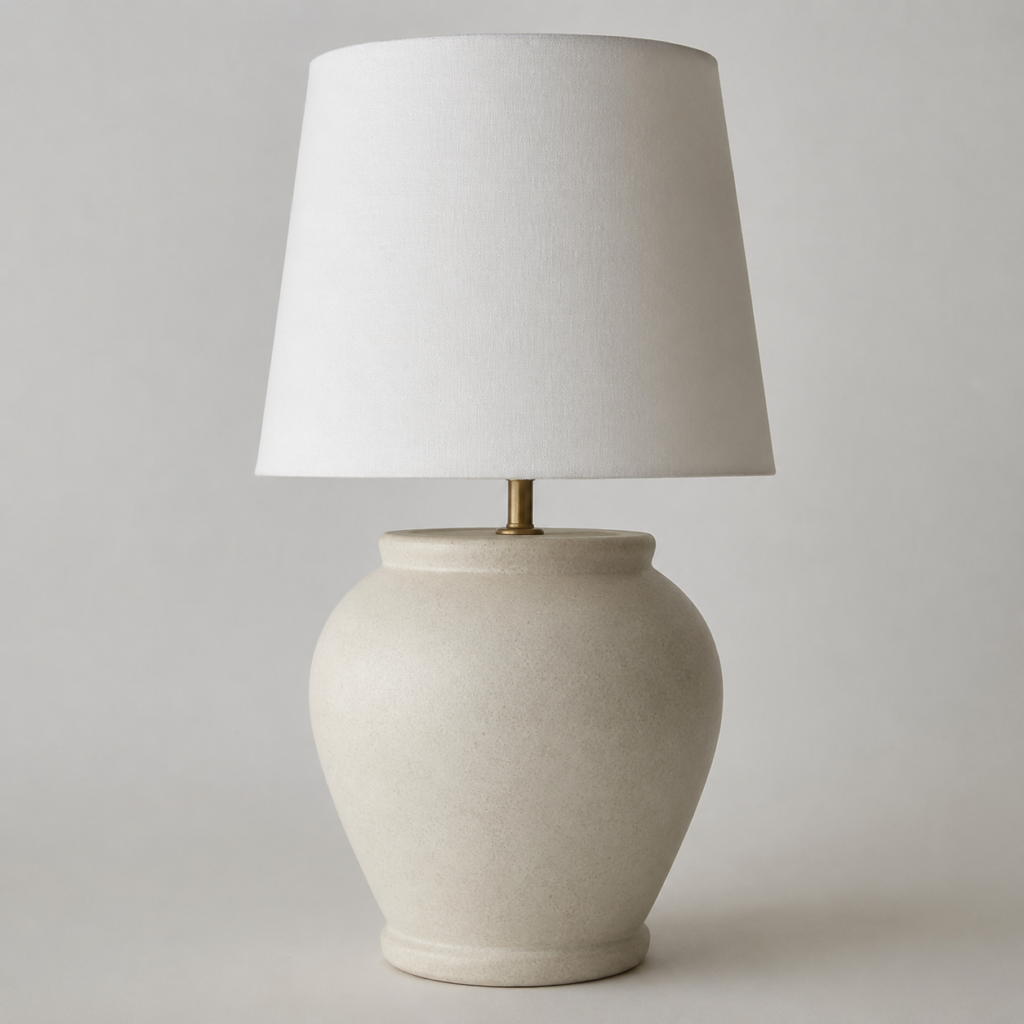
Product pins tied to a clear, specific use case probably have an easier time being understood by this new system. A generic product shot of a lamp is one thing. A pin showing that same lamp styled for “small apartment reading nook” is, on paper, exactly the kind of clean project-signal this system was built to recognize. That’s a hypothesis, not a confirmed ranking factor, but it’s a reasonable one and it’s worth testing.
This validates something I’ve already argued in our Pinterest content formats piece: Pinterest users are planners working through real projects, not passive scrollers. If this holds, Pinterest is now explicitly building its ranking model around that exact behavior. If your content already speaks to a project or occasion, you don’t need to overhaul anything. You were already doing the thing this update seems to reward.
Sprawling, unfocused boards mixing unrelated products may dilute your “use case” signal. I want to be careful here, because this specific point leans partly on an analogy, not a Pinterest fact. On TikTok, creator-strategy writers have argued that specializing in one or two clear content clusters builds stronger recommendation confidence than being a generalist. That’s a different platform, a different system, and Pinterest hasn’t confirmed anything similar for UICs. But the underlying logic rhymes closely enough with what the engineering post describes that I think it’s worth applying cautiously: if your boards are a grab-bag of everything you sell, consider whether a handful of clearly labeled use-case boards would register more cleanly.
None of this changes the priority order I laid out in our Pinterest for Shopify Stores in 2026 post, catalog first, then Performance+, then editorial content. This update doesn’t rewrite that hierarchy. It explains, a little more precisely, why the editorial layer works the way it does.

Why This Corroborates Pinterest’s Own Strategy Talk
This Pinterest algorithm change 2026 isn’t a rogue engineering experiment that appeared out of nowhere. Pinterest’s leadership has been saying versions of “retention is the growth loop” for months.
On the Q1 2026 earnings call, CEO Bill Ready put it this way, as reported by CX Dive: “Higher relevance drives deeper engagement, deeper engagement increases retention, and stronger retention brings users back with higher intent.” Pinterest reported 631 million monthly active users that quarter, up 11% year over year, and 18% revenue growth, per its own results release.
I want to keep two things separate here, because it’s tempting to mash them into one tidy story: the earnings call was a strategy statement to investors, and the engineering post is a technical mechanism. Ready didn’t describe UICs on that call. The earnings call tells you retention has been a stated priority at the top of the company for a while. The engineering post tells you, in far more detail, one specific way Pinterest is now trying to engineer for it. They corroborate each other. Neither one proves the other’s specifics.
What We Don’t Know Yet
No numbers. That’s the honest, slightly unsatisfying answer. Pinterest has promised a Part 2 with actual results, and as of August 3, 2026, it hasn’t published.
I’ll follow up the moment it lands, this post is getting a sequel whether I like it or not. Until then, treat everything above as the mechanism, not the proof.
FAQ
What is Pinterest’s “Pinner Progression” update?
The Pinterest algorithm change 2026 refers to this: a Pinterest Engineering blog post from late July 2026 (Part 1 of 2) describing a shift in home feed ranking from raw engagement toward retention, using something called User Interest Clusters. It contains no hard performance numbers yet. Those are promised for Part 2, which hasn’t published as of August 3, 2026.
What are Pinterest User Interest Clusters (UICs)?
UICs are separate profiles Pinterest now builds for each distinct “project” or life area you’re engaged with, like apartment decorating or wedding planning, instead of one blended profile per user. Each cluster is treated as a long-lived use case tied to whether you keep coming back, not just what you’ll click next.
Does the Pinterest algorithm change 2026 affect Shopify stores specifically?
Pinterest has not said anything about Shopify or e-commerce sellers in this update. Any seller-specific impact discussed anywhere, including in this article, is inference from the engineering post, not a Pinterest statement. Treat practical recommendations as hypotheses worth testing, not confirmed ranking changes.
When will Pinterest publish results for this update?
Pinterest says results, including metrics like engagement and retention lift, are coming in Part 2 of the “Pinner Progression” series. As of this article’s publish date, August 3, 2026, Part 2 has not been published.
Should I change my Pinterest strategy because of this?
Not dramatically. If you’ve been creating content around clear use cases and occasions rather than generic product shots, this update seems to reward exactly that. It doesn’t change the underlying priority order of catalog, Performance+, then editorial content. If you want that priority order mapped onto actual dates rather than left as a principle, my Pinterest Q4 calendar lays it out month by month.
Is this the same as Pinterest’s TikTok-style interest graph?
Not confirmed. TikTok’s interest-cluster recommendation logic is structurally similar and worth using as an analogy, but Pinterest has not described UICs as equivalent to TikTok’s system. Treat any comparison between the two as a useful mental model, not a technical fact.
So here’s my actual question for you: do your boards already map cleanly to specific projects your customers are working through, or are they still organized the way you’d organize a warehouse? Worth a look before Part 2 lands.